Cosmicism and H. P. Lovecraft
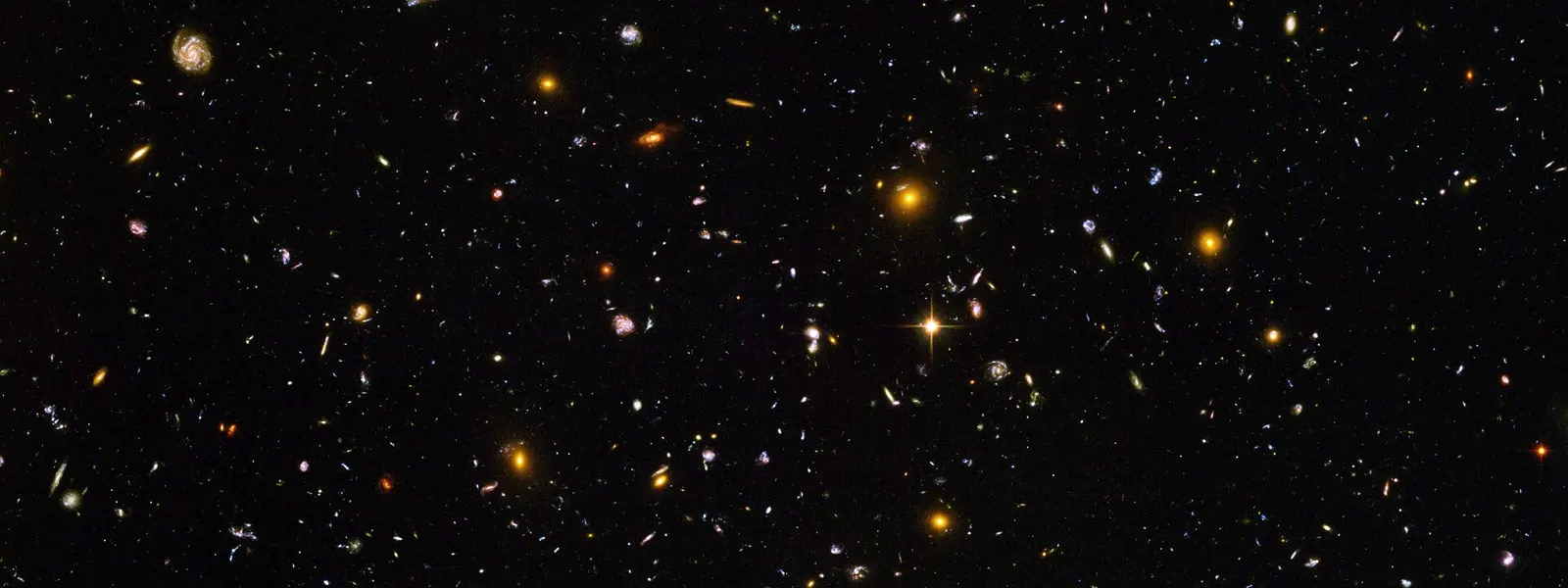
Go outside on a clear night and look up.
Every star you can see in the night sky is another sun, and many of them are far larger than our own. Beyond those lie billions more, scattered across a galaxy that is itself only one among billions. The Earth has been turning for some four and a half thousand million years, and yet everything humanity has ever written down would fit within the last ten thousand of them.
Set against all of that, we are insignificant in the greater scheme of existence, and it is with that understanding that Cosmicism begins.
Cosmicism
Many beliefs place humanity somewhere near the centre of existence, but Cosmicism begins from a very different place. The stars were never lit for our benefit, and whole worlds form, change and die without ever knowing that we were here. When the last trace of our kind has faded, the universe will simply carry on as it always has, untroubled by our absence.
People often expect that thought to feel bleak, yet for many Cultists it brings a quiet kind of freedom. If the universe has handed us no fixed purpose, then the meaning of our lives is ours to choose, and we need not sit and wait for it to be given. We shape it ourselves through what we value, what we build and how we spend the brief time we have.
Because the universe is deaf to our prayers, we are free to speak them.
Because the stars are blind to our movements, we are free to dance in their light.Doctrina ex Veterum
The man who named it
Howard Phillips Lovecraft was born in Providence, Rhode Island, in 1890. He wrote strange fiction for pulp magazines and earned very little from it. On 15 March 1937 he died of cancer, aged 46, with little reason to think his stories would outlive the magazines that printed them.
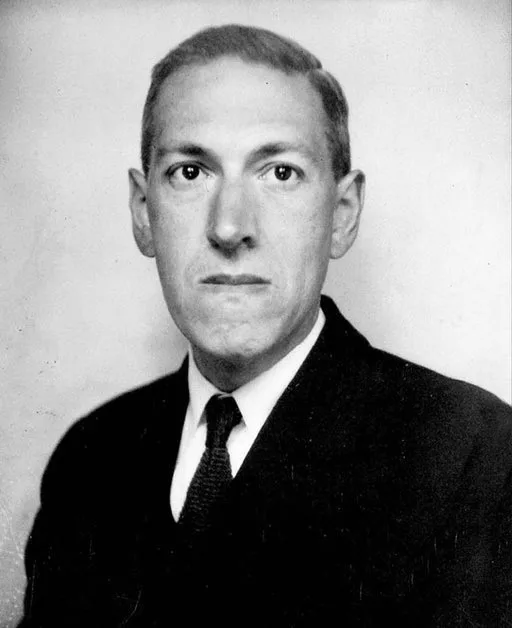
He was wrong.
In stories such as The Call of Cthulhu and At the Mountains of Madness he imagined a universe where humanity was a late arrival in something far older and larger than itself. From those stories grew the Cthulhu Mythos, and from it the Temple takes much of its language and imagery.
Lovecraft was a materialist writing fiction, not a prophet, and not a perfect man. He held strong racial prejudices that he never fully left behind. We do not hide that because we admire his work, and we do not erase his work because we reject those views.
What happened next
Lovecraft shared his creations freely with other writers, and after his death the Mythos kept growing without him. Writers, artists, films and games still add to it today. Then occultists began taking its ideas out of fiction altogether, as archetypes, ritual forms and ways of approaching the unknown. That path led eventually to the Temple.
A man who wrote about humanity discovering it was not at the centre of things created something that no longer has him at its centre. We are part of something that began with him and kept growing without him.
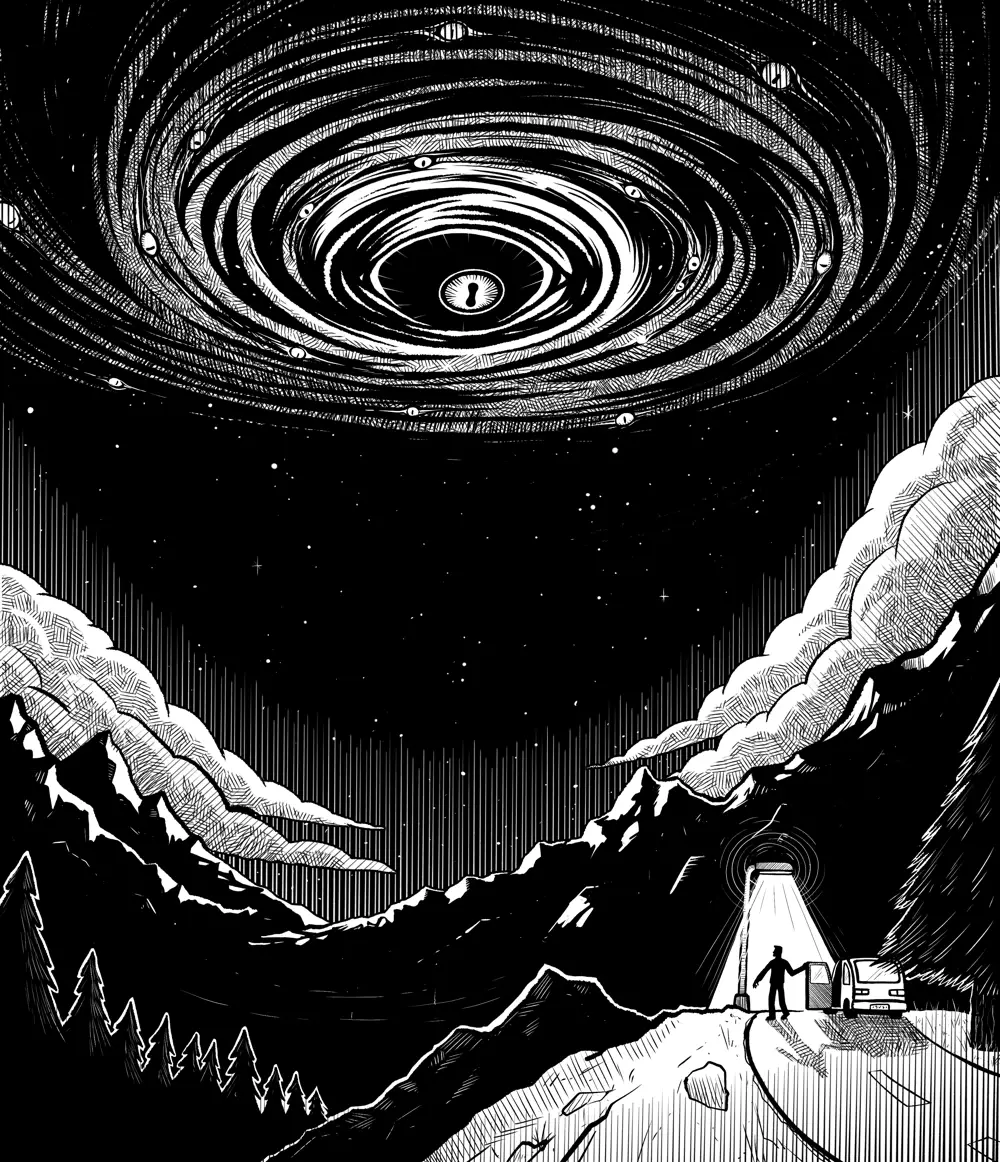
Tonight, if the sky is clear, go outside and look up. Hold two thoughts at once. Nothing up there knows your name. And everything in you came from the same universe.
The distance between those ideas is where Cosmicism begins. Stay with it for a while before you go back inside.
If you want to see where much of this began, read The Call of Cthulhu. It is short and freely available online.